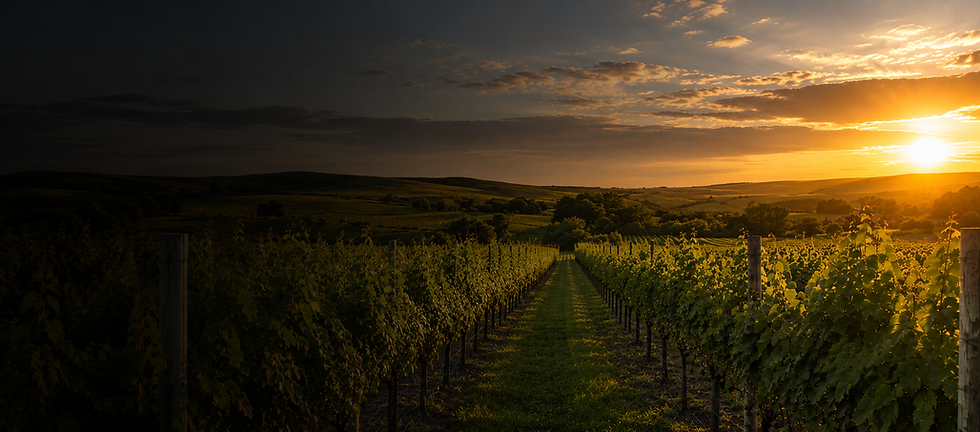
.png)
History of
Prairie Viticulture
Explore more than 175 years of grape growing, breeding, and winemaking across the American Prairie.
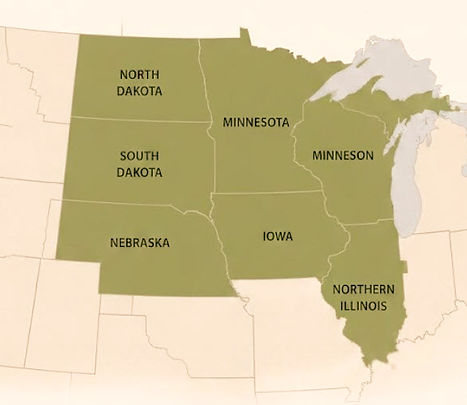
A Region. A Challenge. A Shared History.
Growing grapes on the prairie is not for the faint of heart. Long, frigid winters. Short growing seasons. Disease pressure. And a climate that tests the limits of what is possible.
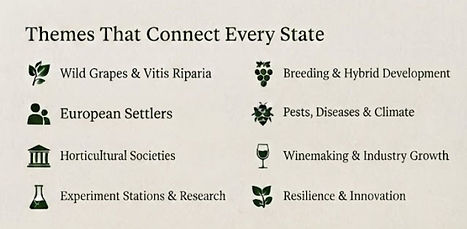
Yet from these challenges came innovation. Indigenous peoples stewarded native grapes long before settlement. Pioneers planted European varieties that often failed. Horticultural societies, experiment stations, and visionary breeders searched for solutions.
The result is a unique viticultural legacy—one built on resilience, experimentation, and a deep connection to the land.
Explore the history of each state and discover the people, events, and discoveries that shaped prairie viticulture.
Explore the History by State
MINNESOTA
Celebrate the modern crucible of cold-climate viticulture, shaped by the self-taught genius of Louis Suelter, Elmer Swenson and the University of Minnesota breeders who unlocked the global potential of ironclad hybrids like 'Marquette'
WISCONSIN
Step onto the historic hillsides of Prairie du Sac, where Hungarian nobleman Agoston Haraszthy planted European vines in the 1840s, setting the stage for Wisconsin's oldest and most enduring vineyard legacies.
IOWA
Driven by Amana Colony communal vineyards and Mormon trail pioneers, trace the history of the Loess Hills grape boom that briefly crowned early twentieth-century Iowa as one of the nation's top grape producers.
ILLINOIS
Venture to the historic banks of the Mississippi in Nauvoo, where nineteenth-century Icarian settlers established the state’s oldest grapevines and laid the foundation for America's longest-running family wineries.
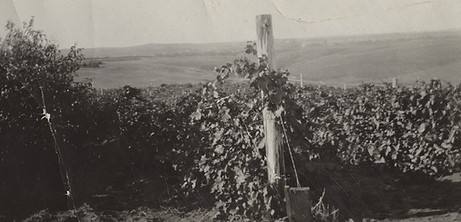
"To understand where prairie viticulture is going , we first have to understand where it came from.